
Clinical Psychologist, Bodynamic Practitioner · IFS & SE Therapist
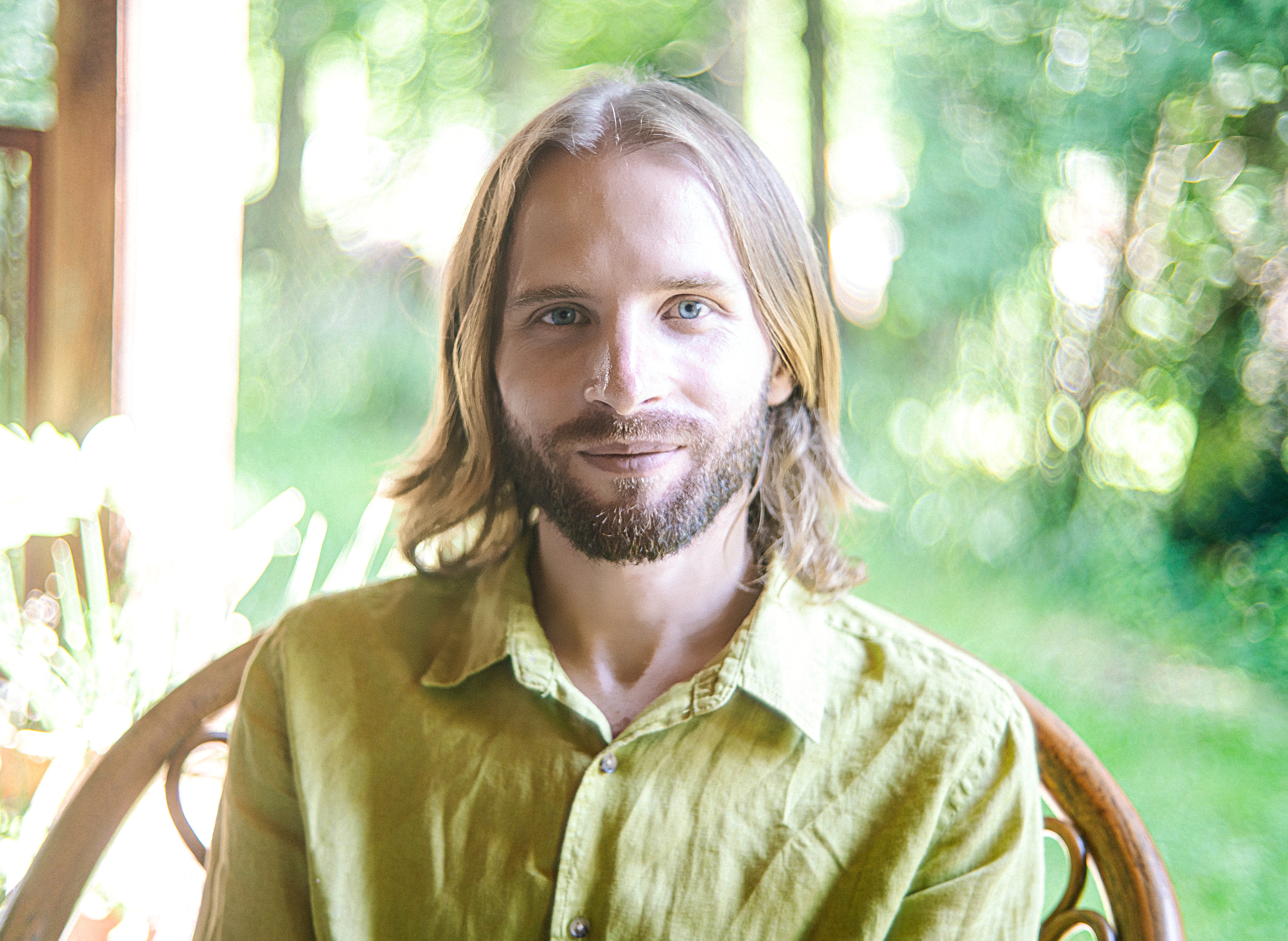
Your photo
In my work I focus on the connection between body and mind. I integrate three complementary approaches to psychotherapy and therapy — Bodynamic, Somatic Experiencing, and Internal Family Systems.
My path began in 2012, when I met the meditation teacher Reginald Ray and took part in the programs of the Dharma Ocean Foundation. That experience showed me the role the body plays in our inner world, and it began my many years of meditation practice.
Since then I have studied psychology, medicine, bodywork, and Buddhist psychology. I completed a master’s degree in clinical psychology and a four-year training in Bodynamic psychotherapy — a somatic method that integrates the body into therapeutic work. I am continually expanding my qualifications through regular participation in therapeutic trainings, assisting at therapy trainings (Somatic Experiencing), and regular supervision of my work — both individual and group.
I work within three complementary approaches to somatic psychotherapy. Each has its own character, theoretical framework, and areas of application — together they form an integrated approach to working with the body, the nervous system, and the inner psychic system.
Bodynamic Analysis is a Danish approach to somatic psychotherapy, developed since the 1970s by Lisbeth Marcher. It rests on a detailed mapping of psychological functions onto specific muscles of the body — the result of many years of research into a child’s psychomotor development.
The method combines developmental psychology, character structure theory, and bodywork. Each muscle is understood here as a carrier of specific psychological functions — linked to the developmental stage at which particular capacities take shape (contact, boundaries, agency, dignity, autonomy).
In clinical practice, Bodynamic is especially effective in working with developmental trauma, deficits in psychological resources, relational difficulties, and rebuilding a sense of embodied presence.
Somatic Experiencing (SE) is a method of working with trauma developed by Dr. Peter Levine. It grew out of observing how mammals in the wild regulate themselves after life-threatening experiences — by completing the responses of the autonomic nervous system (fight, flight, trembling, discharge).
In humans, these natural regulatory responses are often blocked. The energy of mobilization remains trapped in the nervous system and surfaces as symptoms such as chronic tension, anxiety, autonomic dysregulation, dissociation, or sleep disturbances.
In SE we focus on attentively tracking bodily sensations and the signals of the nervous system. The work proceeds in small doses (titration) and emphasizes pendulation between activation and regulation — allowing the nervous system to regain its capacity for self-regulation without the risk of retraumatization.
Internal Family Systems (IFS) is a model of psychotherapy developed by Dr. Richard Schwartz, recognized by SAMHSA as an evidence-based approach. IFS understands the psyche as a system of many inner “parts” — each playing a particular role: protective, managerial, or carrying difficult emotional experiences (exiles, managers, firefighters).
At the heart of this system is the Self — the inner capacity to be present with clarity, curiosity, calm, and compassion. Therapeutic work consists in helping parts release the roles they were drawn into by earlier experiences, and in restoring an inner order in which the Self leads.
IFS is effective in working with trauma, inner conflict, a critical inner voice, mood disorders, and situations in which a client experiences polarization between different parts of themselves.
My practice involves working with adults in areas related to trauma, emotional regulation, relationships, and developmental and existential processes.
Shock trauma (accidents, medical procedures, sudden losses) as well as developmental and relational trauma from childhood.
Anxiety states, panic attacks, chronic tension, dysregulation of the autonomic nervous system.
Low mood, chronic fatigue, anhedonia, professional burnout.
Difficulties in close relationships, recurring relational patterns, work with boundaries and attachment style.
Chronic muscular tension, somatic symptoms without a medical cause, loss of contact with the body.
Ways of responding to closeness, boundaries, and needs that formed in childhood — held in the body. For example, difficulty with one’s own agency, with asking for support, with recognizing and reaching for one’s needs, or working with self-esteem and the sense that acceptance has to be earned.
If you’re not sure whether your concern fits within the areas I work with — write to me. If I find that you need support in a different approach or at a different level (e.g., psychiatric), I’ll help you find the right place.
Send a message. I usually reply within 5 working days.
The first meeting is for getting to know each other and deciding whether my approach fits your needs. It doesn’t commit you to continuing.
If you decide to continue, we agree on a regular time and the framework of our work together.
Testimonials published with clients’ consent.